Most buyers begin with a single phrase, “ship from China to UAE”, and then ask for the lowest quote. The problem is that the UAE is not one delivery point. Seven emirates, several free zones and multiple ports each change how a box is handled. When you plan shipping to UAE from China by emirate first, the later quotes actually become comparable.
Why the same box can mean two different UAE shipments
A container that lands in Jebel Ali and enters JAFZA is not the same operation as the same container delivered to a Dubai mainland warehouse. One stays inside a designated free zone with a different declaration identity and handover step, while the other is treated as a mainland import from the moment it is declared. Fix the delivery point before you ask for a number. Once the emirate, the free zone status and the final delivery point are fixed, two quotations for the same scope can be read side by side.
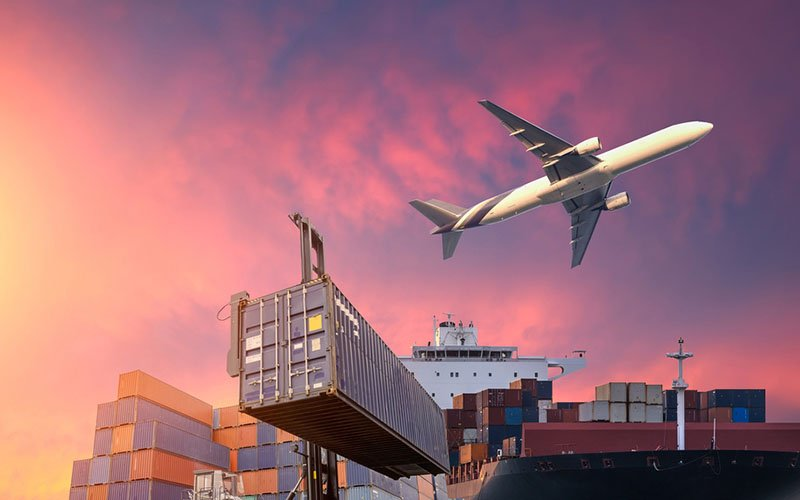
The three stages every UAE delivery goes through
Think of each shipment as three linked stages. Each stage has one check question you should answer before moving on.
Stage 1, the entry gateway
The cargo first clears the border at a port or airport tied to a specific emirate. Check: which gateway serves my final delivery point.
Stage 2, the declaration identity
Free zone or mainland changes who declares the goods and under what registration. Check: am I importing into a free zone or the mainland.
Stage 3, the final delivery
The last leg moves goods to the buyer’s door, warehouse or factory. Check: who confirms the handover at the delivery point.
Work the chain in order. The quote follows emirate level delivery. That sets the mainland or free zone declaration path, which sets who is the importer and broker. Document readiness comes next, and only then is the final handover confirmed.
Entry gateway, declaration identity and final delivery by emirate
The table maps each entry point to its likely gateway, free zone status, declaring party and completing delivery point. Use it as a scaffold, then confirm the available schedule and free time with your forwarder.
| Emirate and entry point | Most likely entry gateway | Lands in a free zone | Who makes the declaration | Delivery point that completes the shipment |
|---|---|---|---|---|
| Dubai, Jebel Ali and JAFZA for china to dubai shipping | Jebel Ali Port, with DXB and DWC airports for air cargo | Usually yes inside JAFZA, no for mainland delivery | Free zone entity or authorized customs agent | JAFZA warehouse, or Dubai mainland after mainland declaration |
| Abu Dhabi, Khalifa Port and AUH | Khalifa Port for sea, AUH airport for air | Possible inside Khalifa Port zone, otherwise mainland | Mainland importer or licensed broker | Abu Dhabi warehouse or project site |
| Sharjah, Hamriyah, Khor Fakkan and china to sharjah freight | Hamriyah Port, Khor Fakkan Port, SHJ airport | Often yes inside Hamriyah free zone | Free zone entity or authorized agent | Hamriyah zone or Sharjah mainland by transfer |
Dubai: Jebel Ali, JAFZA and the two airports
For china to dubai shipping, Jebel Ali is the dominant sea gateway and JAFZA is the free zone most buyers mean by “inside Dubai”. Air cargo can arrive at DXB or DWC. The key choice is whether goods stay in JAFZA or move to the mainland, since that, not the carrier, decides the declaration path.
Dubai Customs publishes guidance on its Customs Business Code and the use of an authorized agent. That guidance applies to Dubai only, not to other emirates, so confirm the local rule at your actual delivery point. The China to Dubai container quote resource covers the rate components separately.
Abu Dhabi: Khalifa Port and AUH airport
Abu Dhabi cargo typically enters through Khalifa Port by sea or AUH airport by air. A uae freight forwarder china desk will usually treat Abu Dhabi as a separate lane from Dubai because the ports, the free zones and the declaration offices differ. Decide early whether the goods settle in a zone or continue to a mainland site.
Sharjah: Hamriyah, Khor Fakkan and SHJ airport
china to sharjah freight most often uses Hamriyah Port or the Khor Fakkan terminal, with SHJ airport for air cargo. Hamriyah free zone is a common landing point, after which goods may transfer to the Sharjah mainland or a neighbouring emirate. The declaration identity again follows the free zone versus mainland split.
Emirates without their own gateway
Ajman, Umm Al Quwain, Ras Al Khaimah and Fujairah do not each run a full national gateway like Jebel Ali or Khalifa Port. Their goods usually enter through a neighbouring emirate, most often Jebel Ali, Hamriyah or Khor Fakkan, then move by road to the final emirate. A single “ship from China to UAE” request therefore hides four extra road movements, and the delivery point, not the emirate on the address, sets the routing.
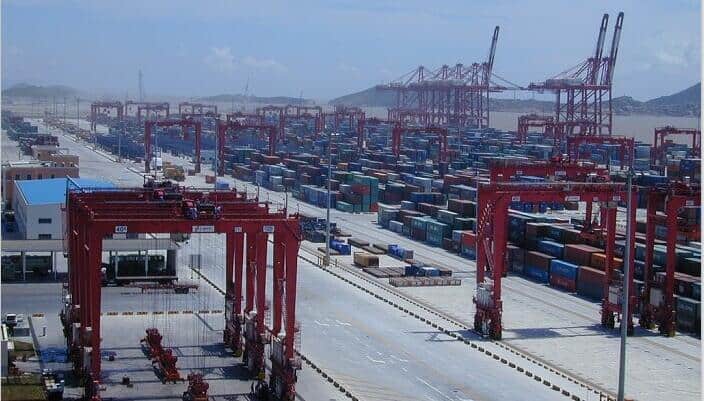
Declaration identity: who is the importer and who is the broker
In a free zone, the declared party is often the zone registered entity or an authorized agent. On the mainland, a locally registered importer and a licensed broker normally handle the declaration. A uae freight forwarder china team can coordinate, but the importer of record and the broker of record are distinct roles. Before dispatch, confirm which side holds the Customs Business Code and files the entry. Dubai Customs guidance on the code is a useful reference, though other emirates apply their own procedures.
Document readiness before dispatch
Clearance depends more on complete paperwork than on the forwarder. The Dubai commercial shipment documents page details the commercial import document list. At minimum, align the invoice, packing list, origin documents and any required product conformity references before the cargo leaves China.
For a broader pre-dispatch checklist that applies across the region, the prepare your shipment resource lists the steps that apply across the GCC, not only the UAE.
Compare the same scope, not just the price
Buyers often ask “who is cheaper” when they should ask “who declared the same scope at the same destination”. Two quotes for ship from China to UAE only match if the delivery point, free zone status, declared party and included handover are identical. Confirm the available schedule and free time with your forwarder, then read the two offers against the same checklist.
- Same final delivery point, named by emirate and by warehouse or site.
- Same free zone or mainland declaration path.
- Same importer of record and same broker of record.
- Same included handover, including the last inland leg.
- Same document set and conformity references.
- Same schedule and free time basis, confirmed with the forwarder.
The same three stage method works for other Gulf destinations. Importers who also move goods to Saudi Arabia or Qatar follow the same gateway, declaration and delivery logic. The China to GCC shipping service page outlines the wider lane, and the China to GCC sea freight page covers sea based planning.
When the delivery point is fixed first, shipping to uae from china becomes a comparable, repeatable process. The real question for any ship from China to UAE request is not “who is cheapest” but “who declared the same scope at the same destination”. Use the checklist above and confirm the schedule and free time with your forwarder before you commit.
FAQ
Does landing in a free zone vs the mainland change how my shipment is declared?
Yes. In a free zone the declared party is usually the zone registered entity or its authorized agent, and the goods may stay under zone status. On the mainland a locally registered importer and licensed broker file the entry. The same physical box follows a different declaration path depending on where it lands.
Which emirates have no gateway of their own and where do their goods enter?
Ajman, Umm Al Quwain, Ras Al Khaimah and Fujairah do not each run a full scale national gateway. Their cargo usually enters through a neighbouring emirate, most often Jebel Ali, Hamriyah or Khor Fakkan, then moves by road to the final emirate. Plan the routing from the actual landing port, not from the destination emirate name.
Who acts as the importer and who is the customs broker?
The importer of record owns the goods and the right to import, while the customs broker files the declaration. In a free zone the zone entity or authorized agent often fills both roles. A forwarder coordinates but is not automatically the importer or the broker. Confirm both roles before dispatch to avoid handover delays.
What should be ready before dispatch so clearance is not delayed?
Align the commercial invoice, packing list, origin documents and any required product conformity references before the cargo leaves China. Missing or mismatched papers are the most common cause of held cargo. The exact document set depends on the product and the emirate, so confirm the list with your forwarder and the relevant authority before booking.
How do I compare two UAE quotations fairly?
Compare the same scope, not just the price. Two offers only match if the delivery point, free zone or mainland path, importer of record, broker and included handover are identical. Confirm the schedule and free time with each forwarder on the same basis. If any element differs, the lower number may describe a different shipment entirely.
Can I import from China to Dubai and keep the goods inside a free zone?
Yes. Many buyers land the cargo in JAFZA rather than the mainland so the goods sit under free zone status, with the zone entity or its authorized agent handling the declaration. This can suit storage or re export plans. Confirm with Dubai Customs which entity holds the Customs Business Code for the entry.