

Many Gulf importers choose to ship from China to Kuwait because the country pairs a compact landmass with active free zones. The China to Kuwait freight lane carries both factory inputs and retail goods. Proper Kuwait import clearance planning begins before the container is even packed. In practice, the shuwaikh port gateway and a disciplined Kuwait shipment handoff shape how fast cargo clears and moves.
Kuwait sits at the head of the Gulf and links easily to regional routes. Buyers who understand the entry gateways avoid costly rerouting later. For a wider view of the lane, the China to GCC shipping service maps how Kuwait connects to the other five markets.

Kuwait entry gateways: Shuwaikh and Shuaiba
Kuwait receives ocean cargo through two main seaports near the capital. Each gateway serves a different cargo profile, and the choice affects clearance flow.
Shuwaikh port and its role
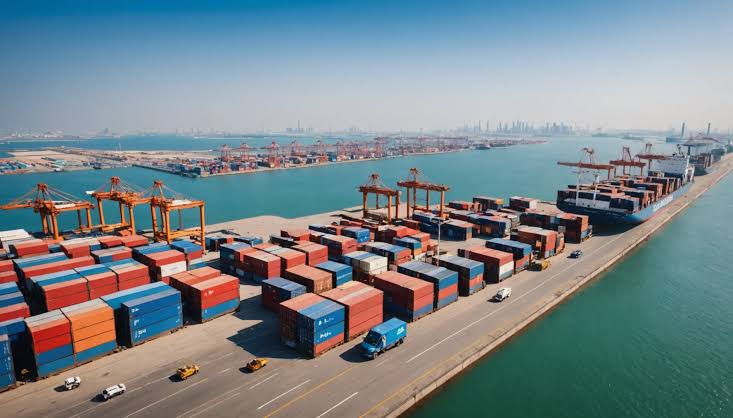
Shuwaikh port handles a large share of general and containerized imports for the Kuwait City area. Its proximity to distribution centers makes it a practical choice for consumer and commercial cargo. In short, Shuwaikh is often the fastest path to the local market.
However, berth planning still matters during peak seasons. A forwarder who books the correct gateway reduces dwell time at the quay. The detail of port selection is part of the handoff planning between supplier and carrier.
Shuaiba as an industrial gateway
Shuaiba serves heavier and industrial flows south of the capital. Plants, equipment, and bulk commodities often route through this port. By contrast, a light retail consignment may fit Shuwaikh better.
The right gateway depends on cargo type and final delivery address. Meanwhile, importers should confirm the destination yard before signing the booking. A mismatch can push handling to the wrong side of the city and add local cartage.
Re-export value through Kuwait free zones
Kuwait free zones let importers store and redistribute goods with flexibility. A single China shipment can feed local sales and then move to a neighbor. This re-export value is why many regional traders use Kuwait as a staging point.
For example, an illustrative consignment of electronics might clear in Kuwait and then transfer onward by road. The movement is not a real shipment, only a planning example. In practice, the free zone status changes how you document and store the cargo after release.
Similar staging happens when you ship from China to UAE, a sibling market on the same regional network. The principle is the same: clear at the right gateway, then move the goods with the paperwork ready.
Handover points in a China to Kuwait shipment
A shipment is a chain of handovers, and each one carries risk if poorly managed. Defining the handover points early keeps responsibility clear. The term Kuwait shipment handoff describes the moment cargo passes from one party to the next.
Factory to port in China
The first handover happens when goods leave the supplier and reach the Chinese export port. Packing, labeling, and loading accuracy are set here. If the cartons are wrong, the error travels all the way to Kuwait.
The Shipment handoffs in Kuwait explains how to document this stage. Meanwhile, correct Incoterms allocation, as defined under Incoterms 2020 via ICC, tells each side who carries the load and the risk at this point.
Origin port to Kuwait port
The second handover is the ocean leg from China to the Kuwait berth. The bill of lading and the booking confirm the carrier duty. In practice, a clean set of shipping documents prevents disputes at arrival.
For smaller loads, the LCL consolidation lets buyers share container space instead of booking a full box. The choice affects how the cargo is consolidated and tracked.
Kuwait port to consignee
The final handover moves cargo from the port to your warehouse or store. Customs release must be complete before the truck departs. Finally, a signed delivery note closes the chain and confirms receipt by the consignee.
Front-loading Kuwait import clearance
Clearance is easier when the work starts early, not at the dock. Front-loading means preparing papers and data before the vessel arrives. Kuwait Customs then processes the entry without waiting for last minute details.
Documents and the review step
Kuwait import clearance requires a matched set of commercial and transport papers. We do not list every document here because the rules change and vary by product. Instead, the Kuwait import document review keeps the current checklist.
In short, review the papers before departure from China. A missing certificate can stop the cargo at the gate. Meanwhile, aligning the invoice and the packing list reduces queries from the authority. Regional frameworks such as those published by the GCC Secretariat and ICC sit behind the terms used in this step.
The cost-item breakdown method
Buyers should request a cost-item breakdown rather than a single lump sum. The method separates freight, handling, documents, and local charges into line items. This way, you see what each stage costs and where savings are possible.
Choosing the right forwarder for multiple handovers
Each handover adds a point where things can go wrong. A professional forwarder manages all three stages under one plan. In practice, one coordinator removes the gaps between supplier, carrier, and customs.
The value grows when the cargo re-exports after clearance. A forwarder who knows both gateways handles the transfer smoothly. By contrast, juggling separate agents at each step invites delay and confusion. So the size of Kuwait works in your favor only when the chain is managed as one.
A self-check list for Kuwait-bound importers
Use this list before you book the next consignment. First, confirm the entry gateway that fits your cargo type. Second, agree the Incoterms and the handover responsibilities in writing.
Third, complete the document review before the China departure. Fourth, ask for a cost-item breakdown instead of a single number. Finally, label any re-export plan so the free zone steps are prepared in advance and the chain stays continuous.
FAQ
Which Kuwait port handles China imports, Shuwaikh or Shuaiba?
Both ports receive China cargo, and the choice depends on your goods. Shuwaikh port serves general and consumer imports near the capital. Shuaiba handles industrial and bulk flows to the south. Match the gateway to your cargo type and delivery address before booking.
What does Kuwait import clearance require?
Kuwait import clearance requires matched commercial and transport documents for the authority. The exact papers vary by product and change over time. We keep the current list in our Kuwait import document review page. Front-load the review in China to avoid stops at the gate.
How is the handover point defined in a Kuwait shipment?
A handover point is where cargo passes from one party to the next in the chain. In a Kuwait shipment, this happens at the factory, the origin port, and the Kuwait berth. The Kuwait shipment handoff term marks each transfer of responsibility, risk, and care for the goods.
Can goods clear in Kuwait then move to another GCC state?
Yes, goods can clear in Kuwait and then move to a neighboring GCC state. Kuwait free zones support storage and re-export after release. The transfer follows regional trade rules under the GCC framework. Plan the onward move during the first booking to keep the chain smooth.
What does a freight forwarder do for Kuwait shipments?
A forwarder coordinates the three handovers from factory to consignee under one plan. The forwarder books the carrier, prepares the documents, and manages clearance with Kuwait Customs. This single coordination reduces gaps between supplier, shipping line, and local delivery. Buyers gain one accountable point of contact.
Is Kuwait used as a re-export hub?
Yes, Kuwait is used as a re-export hub because of its free zones and Gulf location. Importers store goods and redistribute to nearby markets after clearance. An illustrative example is electronics that clear in Kuwait then move by road, though this is not a real shipment. The hub role adds flexibility for regional traders.