

Importers moving commercial goods from China into Saudi Arabia must treat SABER and SASO as the gatekeepers of clearance. The phrase SABER SASO Saudi Arabia now defines the first checkpoint for nearly every regulated shipment. In practice, getting the certificate logic right before the vessel departs protects the cargo from costly port holds.
This article explains the SABER mechanism and how to read HS codes against Saudi product standards.
Why front-loading Saudi compliance decides clearance success
Saudi Customs and ZATCA expect conformity evidence before goods are released. Importers who delay certificate work often discover gaps only after the container is already at the port. In practice, that sequence turns a simple release into a prolonged hold. The lesson is straightforward: compliance is a pre-shipment task, not a post-arrival fix.
The Saudi conformity framework ties product safety to a digital record that customs can verify instantly. Because the check happens electronically, missing data cannot be negotiated at the gate. Meanwhile, a well prepared file moves through the same system with fewer questions. So the cost of front-loading is small, and the cost of skipping it is a stuck shipment.
SABER is a mandatory electronic platform
SABER is the electronic platform that Saudi Arabia uses to manage product conformity before customs clearance. It is operated under the oversight of SASO, the Saudi Standards, Metrology and Quality Organization. ZATCA, the Saudi authority for Zakat, tax and customs, enforces the linked customs release. In short, SABER is not optional for regulated products entering the kingdom.
Every importer must create a registration and link the supplier, product, and shipment inside the system. The platform then routes the case to the correct conformity path based on the declared data. For example, a toy and an industrial motor follow different assessment rules. By contrast, unregulated goods may pass with lighter steps, but the system still decides that status.
The SABER certificate flow: PCoC and SCoC
Product Certificate of Conformity, or PCoC
The PCoC confirms that a product model meets the applicable SASO standard. It is issued for the design or model and remains valid for a defined period rather than for one shipment. Importers typically secure the PCoC before mass production is finished. In practice, this certificate answers the question of whether the product itself is approved.
Shipment Certificate of Conformity, or SCoC
The SCoC is issued per consignment after the PCoC exists. It links the approved model to the actual batch that is moving from China to Saudi Arabia. The certificate references the invoice, bill of lading, and packing list for that specific load. Finally, customs uses the SCoC to confirm the arriving goods match the approved file.
How the two certificates work together
The PCoC and SCoC are sequential, not interchangeable. A valid PCoC is the precondition for any SCoC on that product line. Meanwhile, a missing SCoC blocks release even when the PCoC is current. So both documents must sit in SABER before the vessel reaches a Saudi port. This sequence is the core of the Saudi mechanism.
Reading HS codes against SASO product standards
How to determine whether a Certificate of Conformity is needed
The HS code is the starting point for every conformity decision in Saudi clearance. Importers should map the declared HS code Saudi requirements to the regulated products list published by SASO. Some chapters, such as certain electronics and machinery, fall under mandatory assessment. In practice, the code decides both the standard and the certificate type.
A wrong HS classification can send a product down the wrong review path or trigger a hold. For example, a miscoded appliance may miss the standard that actually applies to it. By contrast, a precise code lets the platform route the case correctly on the first try. So classification accuracy is the foundation of the entire SABER flow.
SASO product standards and the conformity decision
SASO product standards cover safety, energy, labeling, and technical performance for regulated goods. The standard that applies depends on the product category and the declared HS code. Importers should confirm the exact standard before requesting the certificate. In short, the standard is what the PCoC actually tests the product against.
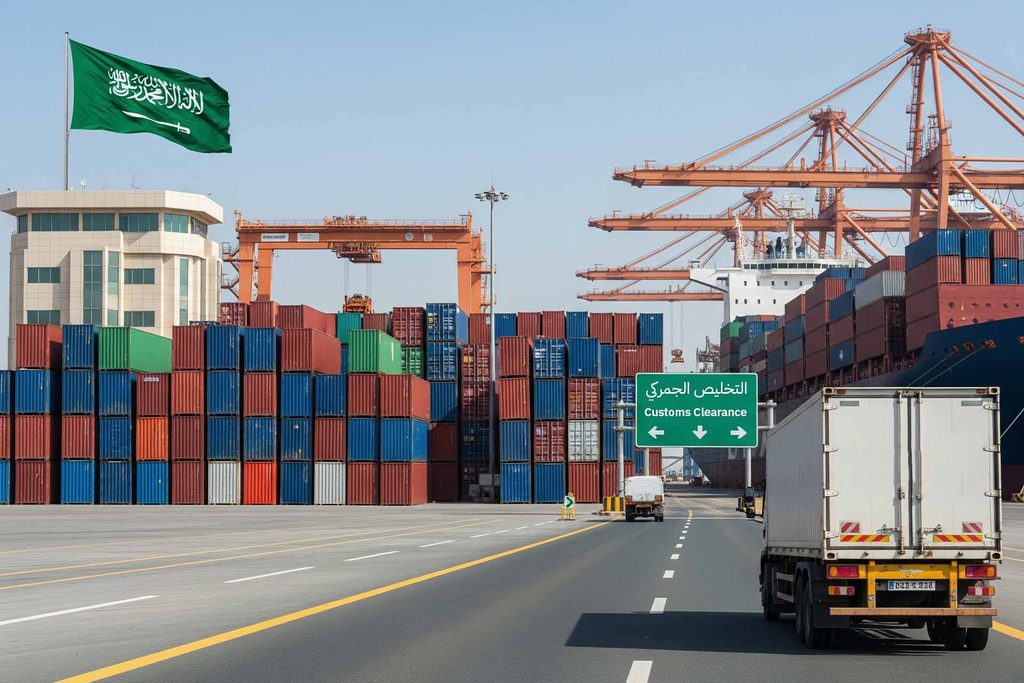
Product categories that commonly get stuck
Electronics, machinery, and toys are the categories most often delayed at Saudi ports. These goods usually require a SABER certificate of conformity and face closer document review. By contrast, many raw materials move with simpler checks. In practice, importers who prepare the certificates early avoid the longest holds. Proper HS classification reduces the risk of a dispute.
Toys attract strict testing because of child safety rules under Saudi standards. Machinery may need additional technical files proving safe operation and correct marking. Meanwhile, electronics face energy and plug conformity checks that vary by model. An illustrative example, not a real shipment, would be a China made toy that clears only after the lab report is uploaded to the platform.
The common failure point is treating these categories like general cargo. In practice, the document team may assume a commercial invoice is enough, then meet a hold at the port. So the safer approach is to assume conformity applies until the HS code proves otherwise. This mindset prevents most avoidable delays.
Completing the CoC early to avoid port holds
The smart sequence is to start SABER work while the goods are still in the factory. The PCoC can be obtained during production, and the SCoC follows once the shipment is finalized. Meanwhile, the documents travel with the cargo rather than chasing it. In short, front-loading keeps the clearance path open from day one.
Late certificate filings are the most common cause of Saudi port holds for China origin cargo. A container that arrives before its SCoC exists simply waits inside the system. Finally, that wait ties up cash and warehouse plans without moving the goods. The remedy is a discipline of pre-shipment compliance, not a faster clearance lane.
This article complements the Saudi import document checklist
This page explains the SABER mechanism, while the Saudi import document checklist lists every paper the shipment needs. Importers should read both, because the certificate is only one layer of the file. For example, the checklist covers origin and transport papers that SABER does not issue. In practice, the two guides together describe a complete clearance readiness plan.
Buyers who want the broader China to Saudi routing can review shipping from China to Saudi Arabia for context. That page covers the lane without repeating the compliance detail explained here. Meanwhile, China to GCC shipping service maps all six GCC clearance paths. In short, this article is the SABER deep dive within a larger library.
Related reading across the GCC library
Importers often compare clearance paths before committing to a lane. The Qatar clearance route at China to Qatar shipping shows a different conformity model worth studying. For buyers moving full containers, the FCL service explains load and booking basics. In practice, understanding one country’s rules makes the others easier to plan. So cross reading the library pays off.
Traders should also confirm the commercial terms that govern who files what. The shipping terms explains Incoterms 2020 responsibilities between buyer and seller. Meanwhile, China to GCC shipping service ties the regional picture together. Finally, a precise HS code remains the thread that runs through every one of these pages.
FAQ
What is SABER and is it mandatory for Saudi imports?
SABER is the electronic conformity platform operated for Saudi Arabia under SASO oversight. It is mandatory for regulated products before customs release at Saudi ports. Importers must register the shipment and obtain the required certificates through the system. Goods that arrive without valid SABER records face clearance holds. In short, no valid certificate means no smooth release.
What is the difference between PCoC and SCoC?
The Product Certificate of Conformity, or PCoC, covers the product model and is valid for a defined period. The Shipment Certificate of Conformity, or SCoC, is issued per consignment after the PCoC exists. In practice, the PCoC proves the design, while the SCoC covers the specific batch. Both are required for regulated Saudi imports.
How do I know if my HS code needs conformity?
Importers should check the HS code against the Saudi regulated products list published by SASO. Some chapters such as electronics, toys, and machinery fall under mandatory Saudi conformity rules. In practice, the HS code decides whether a Certificate of Conformity is required. A licensed agent can confirm the status before the booking is made.
Which product categories get stuck in Saudi clearance?
Electronics, machinery, and toys are the categories most often delayed at Saudi ports. These goods usually require a SABER certificate of conformity and face closer document review. By contrast, many raw materials move with simpler checks. In practice, importers who prepare the certificates early avoid the longest holds. Proper HS classification reduces the risk of a dispute.
When should SABER be completed relative to shipping?
SABER work should start before the cargo leaves China, not after it reaches a Saudi port. The PCoC can be obtained while the goods are still in production. Meanwhile, the SCoC is completed once the shipment is finalized. In short, front-loading the certificates keeps the clearance path open. Late filings create avoidable port holds.
Does SABER replace the document checklist?
No, SABER does not replace the broader import document set. It is one mandatory layer inside the full clearance file. The companion guide at the Saudi import document checklist lists every paper the shipment needs. In practice, both the certificate and the checklist must be ready. This article explains the SABER mechanism, while that page holds the full list.
Sources and scope
This article draws only on official bodies: SASO, the Saudi Standards, Metrology and Quality Organization; ZATCA, the Zakat, Tax and Customs Authority; the SABER platform; IATA for the Dangerous Goods Regulations; Incoterms 2020 as published by the ICC; Dubai Customs; and the GCC Secretariat at gcc-sg.org.
The content explains the SABER and SASO mechanism for Saudi imports from China. It quotes no freight rates, no price per kg or CBM, no container prices, and no transit, sailing, clearance, or delivery timelines. Any example given is illustrative only and is not a real shipment. For the full paper list, consult the companion Saudi import document checklist.