

Key takeaways
- FCL means you book a whole container. It gives more control and fewer handling steps than shared cargo.
- A 40 ft box holds roughly twice the volume of a 20 ft box, but both carry about the same weight.
- Heavy goods usually suit a 20 ft container. Light, bulky goods suit a 40 ft or high cube.
- Decide early whether to load at the factory or at a warehouse. Each has a different risk split.
- At destination you collect a sealed container. You also own the empty return.
FCL ocean freight gives one shipper exclusive use of a container. That means fewer hands, one seal, and direct handover at the destination port. The main early decision is container choice.
This guide explains how to pick a box, how to load it, and what the handover involves at each end. For the wider set of routes, see our China-to-GCC shipping service.
Choose the container by cargo profile
Look at volume and weight together. The two point to different boxes, and carriers apply both limits.
| Container | Internal volume | Max payload | Typical use |
|---|---|---|---|
| 20 ft standard | 33.2 m³ | about 28,300 kg | Dense, heavy goods |
| 40 ft standard | 67.7 m³ | about 28,900 kg | General cargo, more cube |
| 40 ft high cube | 76.4 m³ | about 28,700 kg | Light, bulky goods, taller stacks |
Internal volume comparison (m³). Source: Maersk equipment specifications, checked 18 November 2026.

Notice the weight limit. A 40 ft box offers about twice the space of a 20 ft, yet the payload stays close. Light cargo benefits from the extra cube. Dense cargo hits the weight ceiling long before the space runs out.
One more limit sits outside the container. Road weight rules in GCC destination markets can stop a heavy 20 ft box before it reaches the structural payload.
Dense goods such as tile, stone, or metal parts can hit that road ceiling. That can happen while the container is still half empty. Confirm the inland weight limit for your destination before loading.
Cartons never fill a box solid. Plan on roughly 85 percent of the quoted volume for stowed goods. Ask your forwarder to confirm the usable figure for your packing style.
Factory load or warehouse load
You can stuff the container at the supplier’s factory or at a warehouse near the port. Each option moves risk and work to a different party.
| Option | Strength | Watch-out |
|---|---|---|
| Factory load | Fewer moves, goods packed once | Needs a loading plan and supervision |
| Warehouse load | Control before stuffing, room to consolidate | Adds an inland leg and handling |
Factory load works when the supplier can follow a loading plan and send photos. Warehouse load works when you want your own team to check goods first. The packing and labels guide covers the marks and carton fields to settle before stuffing.
Whichever option you choose, distribute weight evenly and lash the cargo inside the box. An uneven load or loose goods can shift on a rough crossing and cause damage or a dangerous unload. Ask the loading team how they will brace and secure the cargo before the doors close.
Seal and packing record
Record the seal number at the moment the door closes. Photograph the seal, the loaded box, and the container number. Keep those images with the booking.
A clear record helps if a destination check finds a discrepancy. It also supports an insurance claim. Do not rely on memory after a long voyage.
Keep documents matched to the box
The container number, seal number, piece count, and gross weight must agree across three documents. Use the packing list, the commercial invoice, and the bill of lading. One mismatch can hold clearance.
For Dubai, check the commercial shipment documents guide. For Saudi, the import document checklist lists the papers that must line up. This page stays with the container and handover decision.
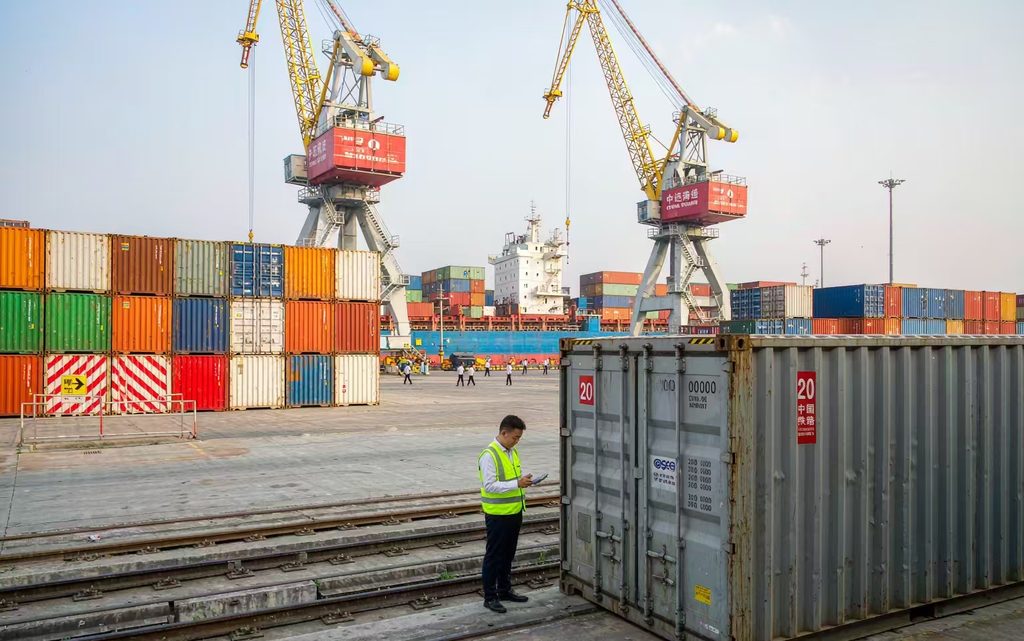
At destination: collect and return
With FCL, you take delivery of a sealed container. You unload it at your premises or a yard, then return the empty box to a nominated depot.
| Responsibility | Who handles it | What to confirm |
|---|---|---|
| Pick up sealed container | Importer or broker | Release status and pickup point |
| Unload and unpack | Importer | Labour and equipment on site |
| Return empty container | Importer | Return depot and free time |
Empty return is easy to forget. Ask where the box must go and how long you may keep it. Our Saudi shipping guide explains how destination handover fits the wider import plan.
Confirm demurrage and detention free time with the carrier before the box arrives. Gulf ports often allow only a short free period. Slow unloading or a late empty return then adds daily charges. Those fees can quickly outweigh the care put into the booking.
Route and port choice
Port and route selection sit outside this guide. Read China to GCC sea freight for that comparison. Our FCL ocean freight service page sets out what we handle.
When LCL makes more sense
If your cargo will not fill a useful part of a container, a shared box may fit better. We do not run the full comparison here. Use the FCL or LCL decision guide to work through it. The LCL ocean freight service page covers the shared option. For a price exercise, see China to Dubai container quotes.
Frequently asked questions
How do I choose between a 20 ft and a 40 ft container?
Look at volume and weight. A 40 ft box gives about twice the space of a 20 ft. Payload stays near 28 tonnes for both. Dense goods usually fit a 20 ft. Light, bulky goods make better use of a 40 ft or high cube.
What is a high cube container?
A high cube is the same length and width as a standard container but taller inside. A 40 ft high cube holds about 76 cubic metres against 67 for a standard 40 ft. It suits light cargo that stacks high.
Should I load at the factory or a warehouse?
Factory load means fewer moves, but you need a loading plan and someone there to supervise it. Warehouse load gives you a check point before stuffing, at the cost of an extra inland leg. Choose by how much control you need.
Why does the seal number matter?
The seal shows whether the box stayed closed during transit. Record it when the door shuts and keep a dated photo. Match it on the bill of lading. A broken or mismatched seal can hold up clearance or support an insurance claim.
Who returns the empty container?
The importer usually arranges the empty return after unpacking. Ask which depot accepts it and confirm demurrage and detention free time with the carrier before the box arrives. Gulf ports often allow only a short free period. A late return then adds daily charges that can quickly erase the saving on a well-priced container.
Conclusion
FCL rewards preparation. Match the box to your cargo’s volume and weight. Load with a plan, keep the seal record clean, and settle the empty return in advance. Do that and a container move stays controlled from the factory door to the depot gate.
Sources and scope: Container volume and payload figures come from Maersk equipment specifications and COSCO container data. Figures were checked 18 November 2026. Figures are nominal and vary slightly by unit.
Scope: We publish no rates and no transit commitments. Confirm dimensions, free time, and handover rules with your carrier. This article is informational only and is not legal, customs, or tax advice.