

China to Qatar shipping looks simple on paper. Goods leave a Chinese factory, move by sea or air, and reach Doha. The difficult part is not the ocean leg. The difficult part is knowing exactly where your provider’s responsibility ends and where your own cost begins. Qatar funnels container trade through one deep-water gateway, Hamad Port, and one major air gateway, Hamad International Airport. A large share of China-origin cargo reaches Doha only after regional transshipment or feeder routing. That routing makes the handover point the single most important line on any quotation you receive.
Why the handover point decides your real cost
When you compare two China to Qatar shipping quotes, you are often comparing two different service scopes without realising it. The ocean or air rate is the easy part to read. The handover point is where the two quotes quietly diverge. A vague handover term such as “port” can hide storage, cartage, and last-mile delivery that another quote includes by default. The responsibility gap is wider in Qatar than in markets with several competing gateways, because most container volume concentrates at a single terminal. Read the handover definition before you read the price.
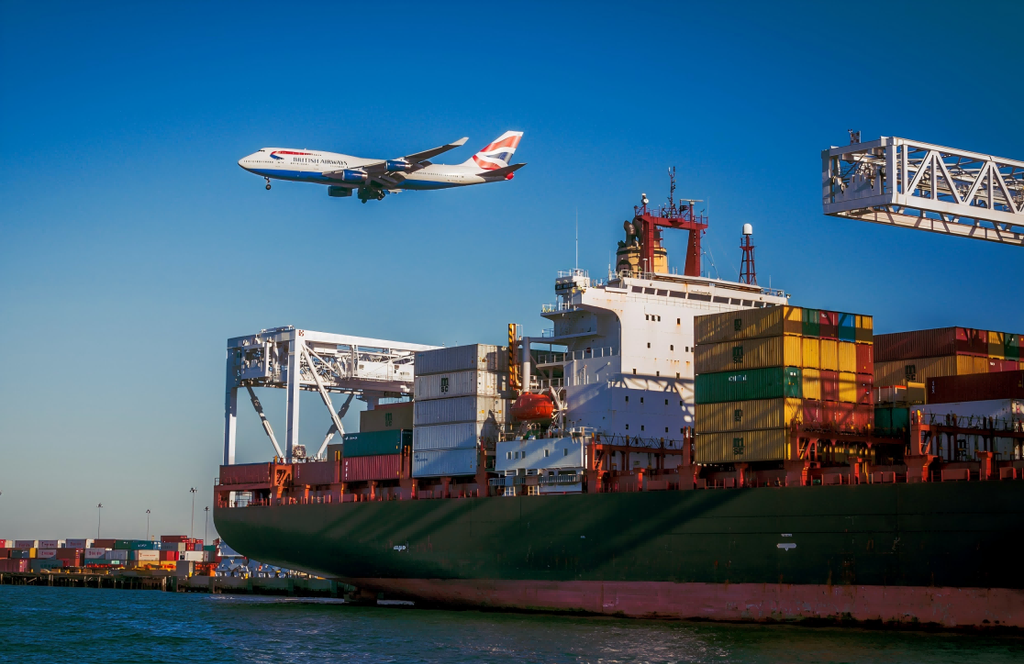
An illustrative quote-comparison risk
Consider an illustrative example, not a real shipment. Importer A receives a quote that covers ocean freight to Hamad Port, with the handover written simply as “port”. Doha storage and cartage to the buyer’s warehouse are listed as separate extras. Importer B receives a quote that reads “delivered Doha” and bundles terminal handling, clearance support, and cartage. Side by side, the first quote looks cheaper. In reality the two quotes describe two different scopes. Comparing them on the ocean rate alone produces a false saving and a surprise invoice later.
| Scope item | Ocean-to-port quote | Delivered-Doha quote |
|---|---|---|
| Ocean or air to Hamad Port | Included | Included |
| Terminal handling | May be extra | Included |
| Customs declaration | Buyer arranges | Forwarder supports |
| Doha storage and cartage | Extra | Included |
Hamad Port and the single-clearance environment
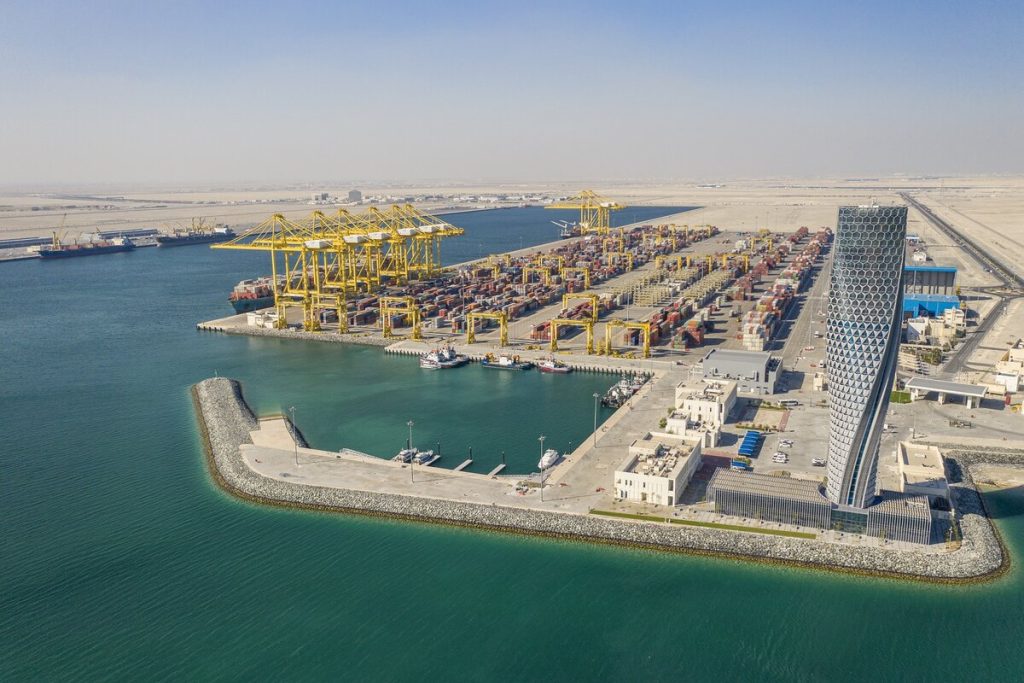
For most China to Qatar shipping moves, the gateway is Hamad Port. Qatar’s trade flow converges on one container terminal, so clearance and container pickup happen inside a single window. Under the GCC Customs Union framework, member states apply a shared external tariff, and Qatar Customs (customs.gov.qa) administers the import declaration at the gateway. In the Hamad Port and the single-clearance environment model, most formalities are resolved at the port rather than split across multiple entry points. That concentration is efficient, but it also means a delay in one step ripples through the whole handover. Understanding where the single-clearance environment begins and ends is essential before you sign a quotation.
Free time and storage at the gateway
Free time is the period a loaded container may stay at the terminal before storage charges start. Because Hamad Port concentrates pickup in one window, free time and the storage that follows it are the most overlooked cost items on a Qatar quote. Confirm free time and the schedule with your forwarder before booking, and ask how container release is sequenced after declaration. A quote that omits storage assumptions is not necessarily dishonest. It may simply define the handover earlier than you assumed.
Destination cost structure: no general VAT, specific excise
Qatar does not apply a general VAT to most imported goods, which surprises buyers who price Qatar using UAE or Saudi intuition. The UAE collects VAT through systems administered with Dubai Customs, and Saudi Arabia applies VAT and product conformity through ZATCA and SASO/SABER. Qatar’s structure is different. It applies specific excise duties to defined goods such as tobacco, energy drinks, and certain sweetened beverages. Rebuild the destination cost list country by country rather than borrowing another market’s assumptions.
This destination-cost discipline is not unique to Qatar. The same principle applies across the smaller GCC markets, each with its own duty, excise, and documentation list. For regional comparison, review the Bahrain import cost list under China to Bahrain freight planning, the Kuwait list under China to Kuwait shipping planning, and the Oman list under China to Oman shipping planning. Each market sets its own items, and none should be assumed equal to another.
- Confirm whether general VAT or a product-specific excise applies to your HS code.
- List every destination cost item separately, not as one blended “landed cost” line.
- Check restricted or excise goods against Qatar Customs guidance before booking.
- Keep the cost list per country so a quote stays comparable across the GCC.
Final delivery in Doha and beyond
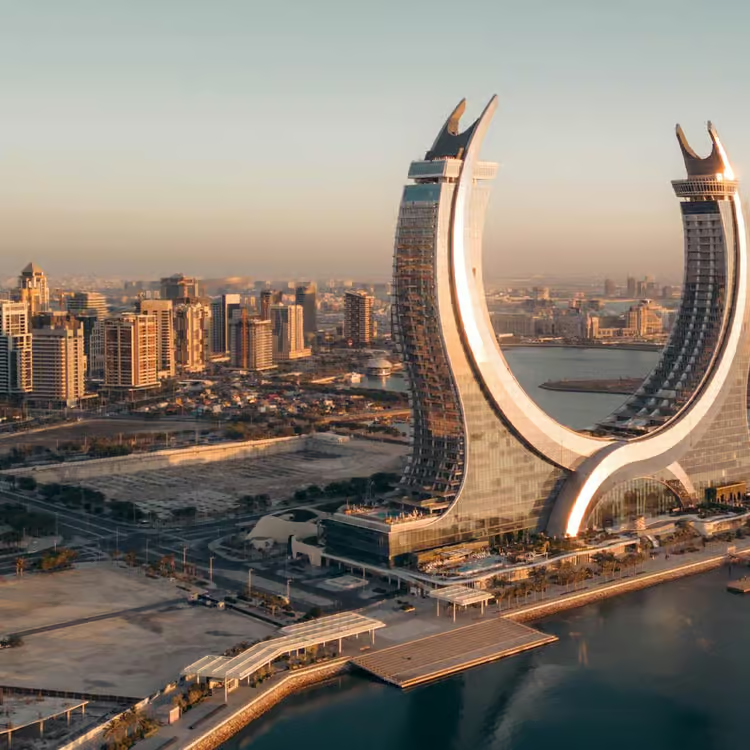
Once clearance and pickup are complete, Doha cargo from China moves into the Doha distribution network. The same shipment may continue to neighbouring municipalities that form greater Doha. Al Rayyan sits west of the capital and absorbs a large share of residential and commercial distribution. Al Wakrah to the south is a common delivery zone for warehousing and industrial receivers. Lusail to the north has grown as a mixed residential and commercial destination. Planning Doha cargo from China should name the exact municipality, because cartage distance and access conditions change the final delivery step.
Choosing a forwarder and preparing documents
Selecting the right partner is a separate decision from reading the quote. The page on choosing a Qatar freight forwarder maps the questions that matter: handover definition, storage assumptions, and declared scope. Before cargo leaves China, prepare the commercial import documents Qatar requires, including the commercial invoice, packing list, and bill of lading or airway bill. If your factory will not handle export delivery, read what to do when your supplier does not deliver to Qatar so the gap is covered by a freight partner rather than left open.
Conclusion
China to Qatar shipping should be compared on the handover point and the destination cost items, not on the ocean rate alone. A single gateway at Hamad Port concentrates clearance and pickup, which makes free time and storage the costs most often missed. Qatar’s lack of general VAT with specific excise means the cost list must be built for Qatar, not copied from a neighbour. Define the handover, confirm the schedule, and price the destination before you book.
FAQ
Is the quotation inclusive of delivery to Doha?
Not always. Some quotes cover only the ocean or air leg to Hamad Port, with Doha storage and cartage listed separately. Others bundle terminal handling, clearance support, and final delivery. Always ask where the handover is defined and which line items sit outside the quoted scope before you compare two offers.
What is free time and why does it matter at Hamad Port?
Free time is the period a loaded container may stay at the terminal before storage charges start. Because Hamad Port concentrates clearance and pickup in one window, free time is often the most overlooked cost on a Qatar quote. Confirm free time and the schedule with your forwarder, and clarify how container release is sequenced after customs declaration.
Does Qatar charge VAT on imports?
Qatar does not apply a general VAT to most imported goods, unlike the UAE or Saudi Arabia. It does apply specific excise duties to defined products such as tobacco, energy drinks, and certain sweetened beverages. Build the Qatar cost list from Qatar’s own rules through Qatar Customs rather than copying a neighbour’s VAT-based assumptions.
Who handles clearance at Hamad Port?
Clearance is administered by Qatar Customs (customs.gov.qa) under the GCC Customs Union external tariff. A licensed clearing agent or your freight forwarder usually submits the import declaration and supporting documents at the gateway. Confirm whether your quote includes clearance support or only transport to the port, since these are different scopes.
What if my supplier will not deliver to Qatar?
If your factory will not handle export or delivery to Qatar, the gap must be covered by a freight partner who can collect from the supplier’s warehouse in China. Review the steps for when your supplier does not deliver to Qatar so the cargo still reaches Hamad Port under a defined handover rather than stalling mid-route.