

Businesses that ship from China to Oman gain a unique advantage, because the Sultanate opens through two very different coastlines. Northern cargo lands near industry and the UAE border, while southern cargo serves Salalah and re-export corridors. This guide explains how to match each gateway to your shipment and how the Bayan system shapes clearance.
Oman’s position on the southeast Arabian Peninsula gives importers flexibility that single port countries cannot offer. The China Oman freight lane runs by sea to two main terminals, then continues by road where useful. In practice, the first decision is not which carrier to use, but which port fits your cargo and your final delivery point.
Oman’s two gateways: Sohar Port and Salalah Port
Oman does not rely on one entry point. The northern hub and the southern hub serve opposite ends of the country, and each one suits a different kind of shipment. Understanding this split is the foundation of any sound Oman import clearance plan.
Sohar Port for northern and industrial cargo
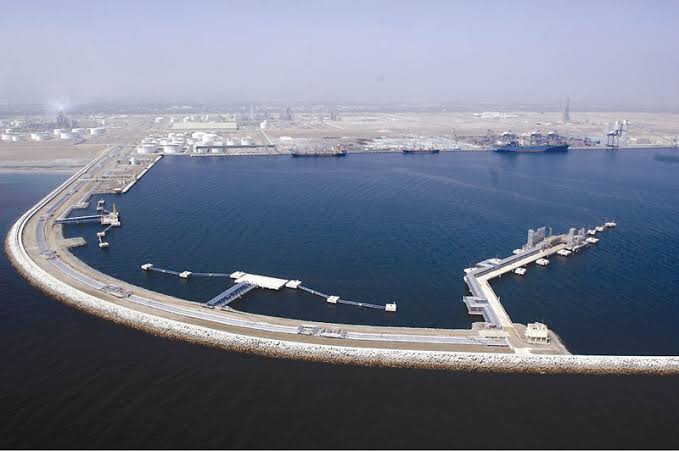
Sohar Port sits on the northern coast, close to Muscat and the industrial zones that drive Oman’s manufacturing base. Importers sending machinery, building materials, and bulk industrial goods often choose Sohar port because the inland haul is shorter. Meanwhile, Sohar’s free zone supports storage and light assembly before goods move onward.
For cargo destined to Muscat or the northern governorates, Sohar usually means fewer road kilometers after discharge. The port also links neatly to the overland route toward the UAE, which matters for regional distribution. This connection is explored in our guidance on China Oman freight routing through northern terminals.
Salalah Port for southern and re-export flows
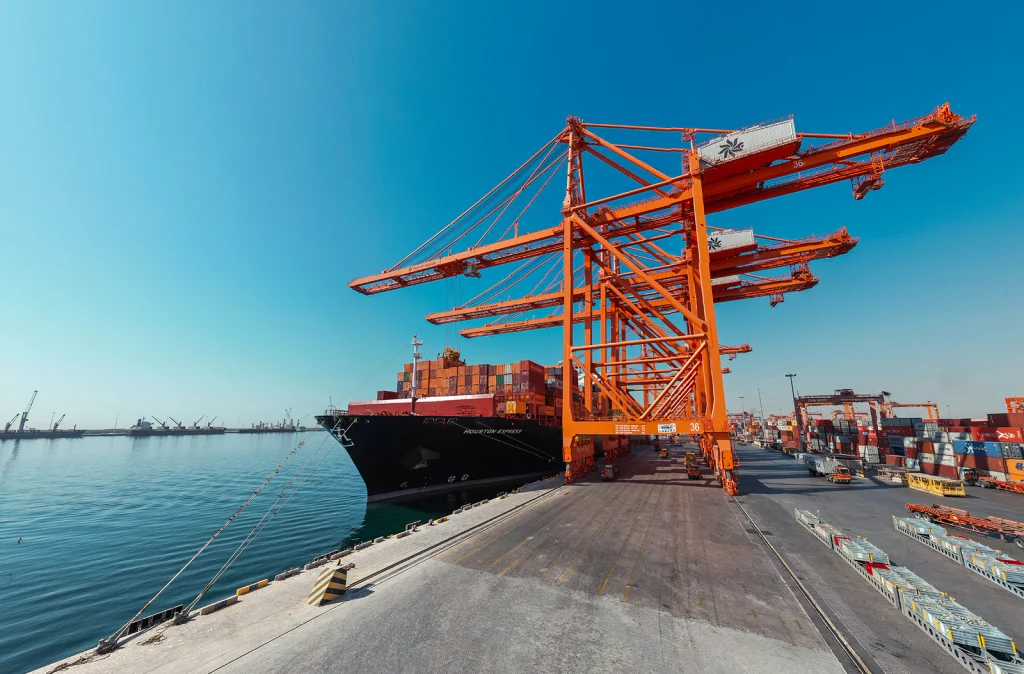
Salalah Port lies far to the south, on the Arabian Sea, and it is a major transshipment center for the wider region. Shippers whose final market includes Yemen, East Africa, or southern Oman itself often prefer Salalah port for its deep water and feeder network. In short, Salalah is the re-export friendly gateway of the two.
An illustrative example: a buyer in Salalah receives a container of consumer goods and forwards part of it by feeder vessel to a neighboring market. This is not a real shipment, but it shows why southern arrival can reduce handling. For ocean routing options, see the China to GCC sea freight.
Choosing between Sohar and Salalah
The Sohar versus Salalah choice depends on two variables, cargo type and final destination. Heavy industrial loads bound for the north favor Sohar, while southern delivery and re-export favor Salalah. By contrast, a mixed shipment may justify a side by side comparison before booking.
A simple rule helps many importers. If your consignee is in or near Muscat, Sohar shortens the last mile. If your consignee is in Dhofar or you plan to redistribute regionally, Salalah earns its place. For a broader country view, the Oman shipping hub summarizes both terminals.
The Bayan clearance system for Oman imports
Oman runs customs declarations through Bayan, the national single window for trade. The Oman bayan platform lets importers and their agents submit declarations, attach documents, and track status in one place. In practice, clearance outcomes depend less on the port and more on how early you prepare the file.
Front-loading your Bayan filing
The smart move is to start the Bayan workflow before the vessel arrives, not after. Accurate product descriptions, correct HS codes, and complete paperwork reduce the chance of a hold at the gate. the Oman bayan preparation checklist walks through the documents and data fields you should assemble in advance.
Front loading also protects your delivery promises to buyers. When the declaration is ready, customs can assess duties and release goods after discharge. However, the exact timing still depends on the shipment and the authority, so we do not quote fixed clearance days.
The UAE overland link as a cost lever
Oman shares a land border with the UAE, and that fact opens a second routing option for some cargo. Goods can arrive at a UAE port and then move by truck into northern Oman, which sometimes lowers total landed cost for certain loads. This path works best for sturdy freight that tolerates road movement.
Fragile or high value items need a different calculation, because road vibration and handling add risk. UAE Oman fragile cargo explains how to decide when overland transfer is worth it and when direct sea arrival is safer. In short, the neighbor link is a tool, not a default.
Note that the UAE and Oman run separate customs systems, so a transfer across the border is a new clearance event. You should plan both sides of the journey rather than assume one seamless movement. The GCC Secretariat framework supports cooperation, yet each country applies its own procedures.

A practical cost breakdown method for China Oman freight
Rather than chase a single headline rate, build your estimate from clearly separated parts. Start with the origin charges in China, then the ocean or air leg, then terminal handling, then Oman import clearance and duties, then final delivery. This method reveals where your money actually goes.
Each part behaves differently. Origin fees are fairly stable, while the main leg swings with capacity and season. Duties depend on HS classification and origin, and last mile cost depends on your chosen port. For contract terms that allocate these pieces, the shipping terms explains Incoterms 2020 as published by the ICC.
An illustrative budgeting approach: list every cost block on one sheet and compare Sohar against Salalah for the same load. This is not a quote, only a method to compare gateways. Over time, the pattern tells you which routing suits your product mix. You can also compare full container load services against shared options for the main leg.
Air cargo is governed by the IATA Dangerous Goods Regulations when goods are restricted, and that affects both packing and paperwork. Most commercial goods move under standard air rules, but the DGR still matters for batteries, chemicals, and similar items. Plan the mode around the product, not the other way around. Finally, keep the broader corridor in view through the China to GCC shipping service.
FAQ
Sohar or Salalah for my cargo?
Choose Sohar for northern and industrial deliveries, because the port sits close to Muscat and the manufacturing zones. Choose Salalah when your buyer is in the south or you plan to re-export through the Arabian Sea network. The decision should follow your cargo type and final destination, not a fixed rule. Compare both gateways before you book.
What is Bayan in Oman clearance?
Bayan is Oman’s national single window for customs declarations, used by importers and their agents to file and track entries. You submit product details, documents, and supporting data through the Oman bayan platform before or after arrival. A complete, early filing helps customs assess duties and release goods. It does not guarantee a fixed clearance time.
Does Oman connect with the UAE for onward transport?
Yes, Oman shares a land border with the UAE, so some cargo arrives at a UAE port and continues by truck into northern Oman. This overland link can lower landed cost for sturdy freight, but it adds a second customs event at the border. Fragile loads need careful risk assessment before choosing this route.
What are Oman import clearance steps?
The process starts with a Bayan declaration that carries accurate HS codes and documents. Customs reviews the entry, assesses duties, and may inspect the cargo before release. A licensed agent usually manages the filing on your behalf. For the full document list and data fields, use the Oman bayan preparation rather than guessing each requirement.
Are there free zones in Oman?
Yes, Oman operates free zones such as the ones at Sohar and Salalah, where storage, assembly, and certain trading activities can take place under special customs treatment. These zones can support re-export and regional distribution strategies. The exact benefits depend on the goods and the activity, so confirm the rules with the relevant authority.