

Choosing a China to GCC shipping service is less about finding the lowest headline number and more about understanding what that number does and does not include. Businesses that arrange shipping from China to Gulf countries face six separate markets, each with its own tax, conformity, and clearance posture. A single total quote can look simple and still hide the most expensive stage.
This guide breaks a China to GCC shipping service into comparable stages so you can choose and compare providers on written scope rather than on a number you cannot audit.

What a China to GCC shipping service actually includes
The phrase “Gulf shipping” sounds like one product, but it is a chain of three different kinds of work. When you treat it as a single black box, you lose the ability to compare providers and you lose visibility into where your money and your risk sit. The first step in choosing well is to name the stages.
Origin work inside China
Origin work covers everything that happens before the cargo leaves theSupplier’s gate. It includes supplier pickup, carton and pallet packing, export documentation, the China export customs declaration, consolidation with other orders when applicable, and handover to the main carrier. Good origin work reduces the chance of a hold later. Weak origin work shows up as rework at the destination, which is the stage you control least.
Main leg from China to the Gulf
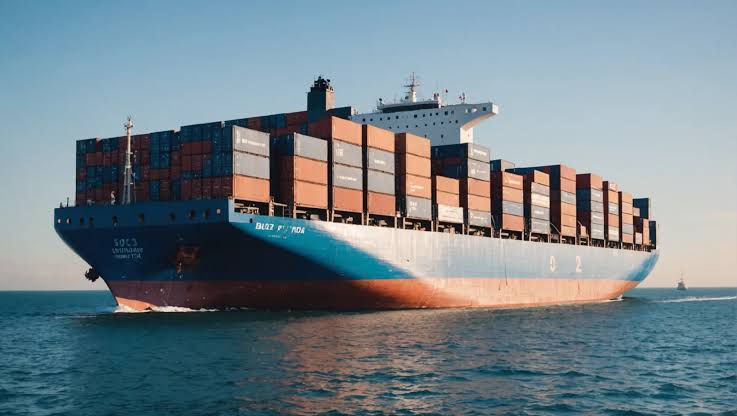
The main leg is the long move across the ocean or through the air. Ocean moves use container capacity and call at the major Gulf ports. Air moves use belly or freighter capacity and call at the major Gulf air hubs. The mode choice belongs in this stage, not in a single blended total. Compare the main leg on its own terms by reviewing our China to GCC sea freight and China to Gulf air freight overviews, and read how air services fit urgent orders.
Destination work at the GCC end
Destination work is where the six markets stop looking alike. It includes import declaration, duty calculation by HS code, conformity checks, terminal handling, and final delivery. The same shipment can clear cleanly in one country and need extra certificates in another. Because this stage varies the most, it is the one a generic template quote most often misstates.
Require a written quote per stage
Once you see the three stages, ask every provider to quote each one separately. A written quote per stage turns a vague promise into a line item you can read. You can then see which provider includes export docs, which includes destination declaration, and which leaves conformity to you. That single habit, writing the scope down by stage, is the cheapest comparison tool you have.
Why a single template distorts at the destination
Shipping from China to Gulf countries is often sold with one standard quote sheet. That sheet works only if all six destinations obey the same rules. They do not. The GCC Customs Union gives the six states a shared external tariff, but VAT, conformity certificates, free zone treatment, and clearance routing differ by country. Below is a plain overview so you can see where a generic quote will bend.
Six-country overview
| Country | Main gateway | Tariff and tax character | Conformity requirements | Mainland vs free zone | Clearance concentration |
|---|---|---|---|---|---|
| United Arab Emirates | Jebel Ali Port and Dubai air cargo hubs | GCC common external tariff applies; UAE VAT at 5 percent administered by Dubai Customs | Product registration and labelling through UAE authorities, including ECAS for regulated products | Extensive free zones such as JAFZA with a separate customs posture | Dubai Customs and free zone operators handle most filings |
| Saudi Arabia | Dammam, Jeddah Islamic Port, and Riyadh dry port | GCC common external tariff; VAT set by Saudi and administered by ZATCA | SABER and SASO certificates required before customs release for covered products | Limited free zone model; most goods enter the mainland | ZATCA unified customs platform |
| Qatar | Hamad Port and Hamad International Airport | GCC common external tariff; Qatar VAT applies, administered by Qatar Customs | Conformity certificates through Qatar Customs and the standards body | Free zones developing; most cargo enters the mainland | Qatar Customs |
| Kuwait | Shuwaikh and Shuaiba ports | GCC common external tariff; Kuwait VAT applies | Conformity documents per product type | Mainland entry is the standard model | Kuwait Customs |
| Bahrain | Khalifa Bin Salman Port | GCC common external tariff; Bahrain VAT applies | Product conformity per Bahrain standards | Limited zones outside the mainland model | Bahrain Customs |
| Oman | Port of Salalah and Sohar | GCC common external tariff; Oman VAT applies | Conformity per Oman standards for covered products | Free zones such as Salalah and Sohar with customs benefits | Oman Customs |
The table is a planning view, not a quote. Read the full country pages for the United Arab Emirates, Saudi Arabia, and Qatar to see how each destination stage behaves in practice: shipping to the United Arab Emirates, shipping to Saudi Arabia, and shipping to Qatar.
The practical lesson is simple. A template that prices the origin and main leg well can still fall apart at destination because it assumed one country’s VAT, one country’s certificates, or one country’s free zone rule. When you compare a China to GCC shipping service, the destination column is where you should read most carefully.

How to verify a GCC freight forwarder before you trust one
The verification step is separate from the price step. A low number from an entity you cannot check is more expensive than a clear number from a verifiable one. When you screen a GCC freight forwarder, work through five checks. These five also separate a general Gulf provider from a Qatar only specialist, whose narrower focus is covered in a separate forwarder selection guide.
- Verifiable entity. Confirm the provider is a registered legal entity you can name and check. Licence and registration should be confirmable through official channels, not just claimed on a website.
- Written scope. The provider should state in writing what is included at origin, on the main leg, and at destination. Verbal scope does not count because it cannot be compared later.
- Handover point. Agree where responsibility moves from one party to the next. A clear handover point prevents the “that is not our step” gap that appears only after something goes wrong.
- Document duty. Name the party that prepares each document, from the export declaration to the import filing and conformity certificate. Unowned documents are the most common cause of destination delay.
- Exception handling. Agree in advance how exceptions such as a hold, a document mismatch, or a rejected certificate are handled, who pays, and who communicates. This turns a crisis into a procedure.
If a provider answers all five in writing, you have a basis to trust the working relationship. If any answer is vague, verify further before you commit volume. Verification first, trust second, is the cheaper order.
Reframe “import to GCC from China cost” as a method
The question “import to GCC from China cost” is usually asked as a price, but it is better asked as a method. The cost of any shipment is the sum of defined work plus defined duties, and those parts move independently. When you fix the method, you can fill in numbers later without rethinking the model.
The landed-cost worksheet structure
Build the worksheet in this order so every line stays traceable:
- Goods value. Start with the commercial invoice value of the products.
- Origin work. Add pickup, packing, export docs, and consolidation as a separate row.
- Main leg. Add the ocean or air move as its own row, by mode.
- Destination work. Add import declaration, terminal handling, and delivery as a separate row.
- Duties by HS code. Add the duty calculated against the correct HS classification, not a guess.
- Local tax. Add the country specific VAT or equivalent last, because it is computed on the built up base.
Keep the classification order disciplined: identify the HS code before you estimate duty, because the code drives both the rate and the conformity path. The structure matters more than any single figure, because rates change while the method stays valid. The freight cost breakdown resource explains each category in detail, and the compare shipping options worksheet to set the mode and stage choices side by side.
Your minimal viable first shipment
You do not need to scale on day one. The safe way to start a China to GCC shipping service relationship is one controlled shipment through the full chain. Use a small, low risk order, require the written scope from the verification checklist, and watch each handover from origin to clearance. A single test shipment shows whether the provider’s process matches the quote and reveals gaps that a total price never would. Once the chain performs on one order, scaling becomes a volume decision instead of a leap of faith. Confirm the schedule and free time with your forwarder for each shipment, because these terms change by route and season.
FAQ
How do I compare providers on written scope?
Ask each provider to itemize the same three stages: origin work, main leg, and destination work. Compare line by line instead of one total. A written scope reveals what is included and what is billed separately, so you can rank providers on like for like work rather than on a headline number.
What does the six-country overview tell me?
The overview shows that the six GCC markets share a common external tariff but differ on VAT, conformity certificates, and free zone treatment. That means a single template quote will fit one country and misfit the others. Use the table to decide where a generic quote needs a country specific rewrite before you sign.
How do I build a landed-cost worksheet?
Start with goods value, then add origin work, main leg, and destination work as separate rows. Add duties by HS code, then local tax. Keep the worksheet in that order so each cost is traceable. The structure matters more than any single number because rates change and the method stays valid.
What should a provider verification checklist include?
A useful checklist covers five points: a verifiable legal entity, a written scope, a clear handover point, a named party responsible for documents, and an agreed way to handle exceptions. If a provider cannot answer all five in writing, treat that as a signal to verify further before committing volume.
Is a single total quote enough to compare?
A single total is not enough because it hides what is included and where. Two totals can look similar while covering different stages and documents. Break each quote into the same stages and compare those lines. Only then can you tell which provider is cheaper for the same defined work.
What is a minimal viable first shipment?
Run one controlled shipment through the full chain before scaling. Use a small, low risk order, require the written scope, and watch each handover from origin to clearance. A single test shipment shows whether the provider’s process matches the quote and reveals gaps that a total price never would.