

النقاط الرئيسية
- Air freight suits high-value, urgent, or seasonal cargo where holding stock costs more than flying it.
- Declare the scope you buy: airport to airport, airport to door, or door to door under DDU/DAP or DDP.
- The air waybill is a contract and receipt, not a document of title. The named consignee takes delivery.
- Chargeable weight uses L × W × H (cm) ÷ 6,000 for air, or ÷ 5,000 for express. The higher figure wins.
- GCC airports give short free storage. Clear before arrival and prepare battery or magnet papers early.
- Air and express use different networks. Match the cargo to the right one before you book.
Air freight earns its place when the cargo justifies it. High-value goods, launch stock, and replacement parts qualify.
This guide covers which shipments belong in the air and what the air waybill carries. It also shows how airport handover connects to GCC customs. See how air fits with sea and express on our خدمة الشحن من الصين إلى دول مجلس التعاون الخليجي.
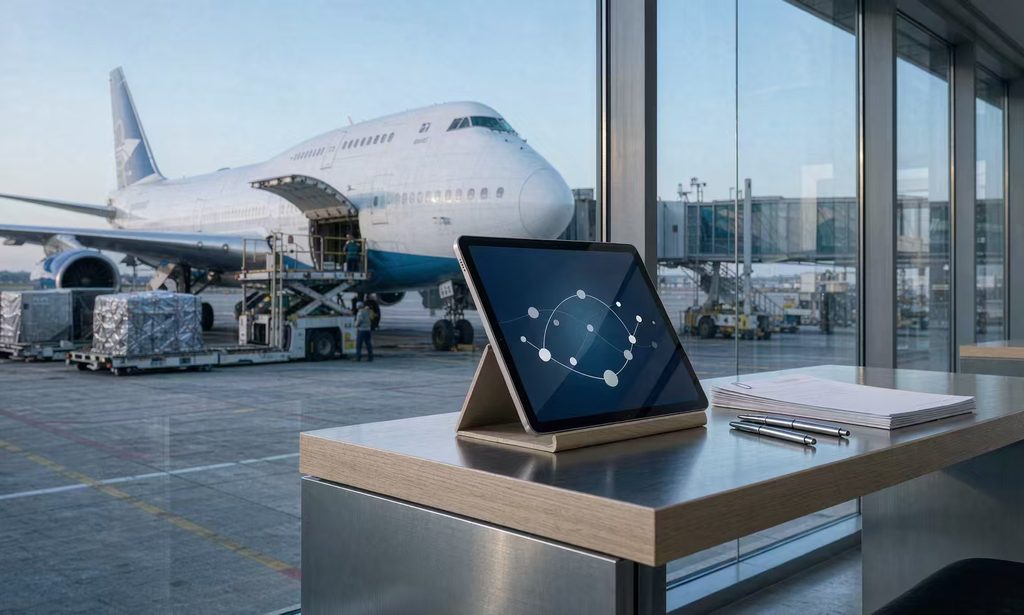
Why this shipment needs air
Start with the reason, not the habit. Air works when delay costs more than the freight.
| Cargo profile | Air fit | لماذا |
|---|---|---|
| High-value, low-weight goods | Strong | Minimizes tied-up working capital in transit and lowers inventory holding costs. |
| Launch or seasonal stock | Strong | Ensures inventory hits shelves on time—missing a peak sales window costs far more than air freight. |
| Urgent spare parts | Strong | Prevents costly production or equipment downtime where speed outweighs shipping expense. |
| Pharma & temperature-controlled | Depends | Viable only with validated cold-chain packaging, active temperature monitoring, and approved routes. |
| Battery or magnetic goods | Conditional | Subject to strict DG/airline clearance; requires UN38.3, MSDS, and a magnetic inspection report upfront. |
| Bulky, low-value goods | Weak | High volumetric (dimensional) weight makes air freight cost-prohibitive compared to ocean or rail. |
Be honest about the driver. If the real reason is a late factory, air only hides the planning gap. Fix the schedule first.
Battery and magnet shipments need a paper trail before they reach the airport. Prepare the UN38.3 test summary for lithium cells and an MSDS or SDS. Magnetic parts may need a magnetic test report.
Only some carriers accept these goods, so confirm first. IATA publishes the dangerous goods rules that most airlines follow.
Define the service scope
“Air freight” describes several products. Name the one you are buying, or the handover will be unclear.
| Scope | Carrier covers | You arrange |
| Airport to airport | Main air leg between origin and destination airports | Both inland trucking legs, plus export & import customs clearance |
| Airport to door | Main air leg and final delivery to destination address | Origin pickup, export clearance, ، و import clearance & duties |
| Door to door (DAP / DDU) | Pickup, export clearance, air freight, and final delivery | Import duties, taxes, and any local destination clearance fees upon arrival |
| Door to door (DDP) | End-to-end: pickup, export/import clearance, duties & taxes, and final delivery | Accurate commercial invoice/HS data and any restricted-goods import permits |
Under DDU or DAP, the consignee pays duty and tax when the goods arrive. Under DDP, the seller or forwarder handles them before delivery. Put the exact term on the booking.
شركتنا خدمة الشحن الجوي page sets out what each scope includes. “Door to door” alone is not enough, because suppliers use it for different deals.
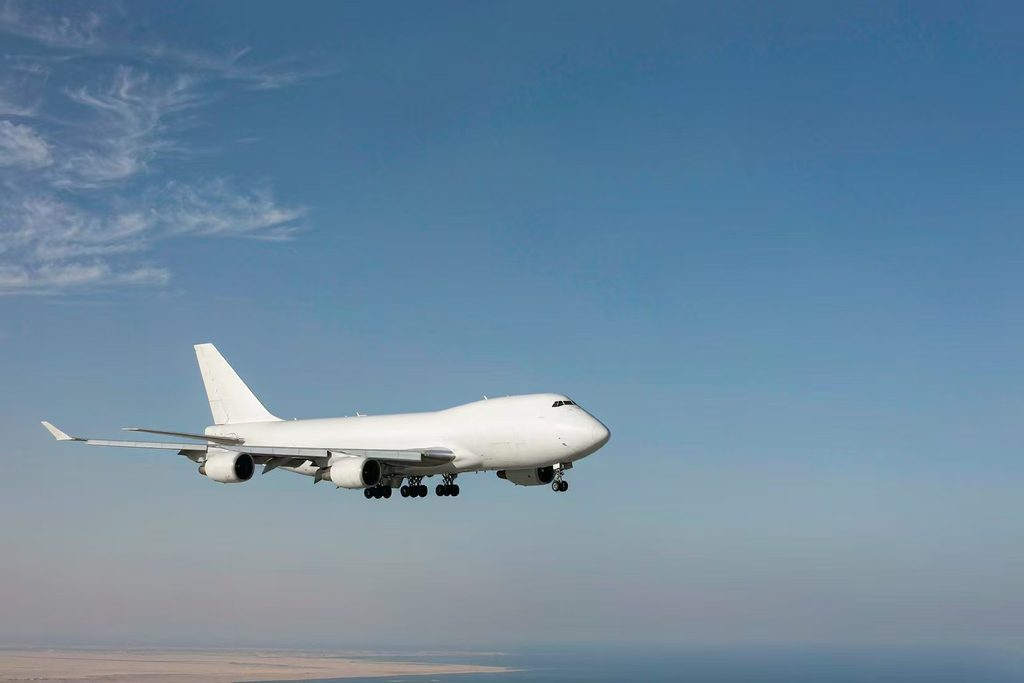
The air waybill and what it carries
The AWB is the central air document. It acts as the contract of carriage, a cargo receipt, and a tracking reference. Unlike a bill of lading, it is not a document of title. The named consignee collects the goods after identity checks.
Master and house waybills
An airline issues a master AWB to the forwarder. The forwarder issues a house AWB to each shipper. If you book through a forwarder, ask which waybill your cargo moves on. You will usually track the house AWB.
Fields to check before issue
| Field | What it must match |
| Shipper & consignee | Exact legal names, addresses, and tax/EORI IDs on the commercial invoice و customs filing. |
| Departure & destination airports | Official 3-letter IATA airport codes (e.g., PVG, LAX), not just city names. |
| Nature & quantity of goods | Plain, specific goods description (avoid vague terms), exact piece count, ، و package dimensions. |
| Gross & chargeable weight | Verified scale gross weight و volumetric weight of the cargo physically tendered at acceptance. |
| Declared value & Incoterm | Exact commercial invoice transaction value وـ agreed Incoterm (e.g., DDP, DAP, EXW) governing duty responsibility. |
A “general cargo” description rarely passes review. Name the product. Make sure the consignee field matches the receiver who will clear the goods.
How weight is set
Airlines bill on chargeable weight: the higher of actual gross weight and volumetric weight. Volumetric weight comes from the carton size. A large box of light goods can cost more than its scale weight suggests.
| Method | Formula | Volumetric weight |
|---|---|---|
| Standard air freight | L × W × H (cm) ÷ 6,000 | 167 kg per CBM |
| Express courier | L × W × H (cm) ÷ 5,000 | 200 kg per CBM |
The larger divisor works in your favour. The same carton carries a lower chargeable weight on standard air than on express. A 100 × 60 × 40 cm carton works out to 40 kg on air and 48 kg on express.
Pack tightly and give accurate measurements. Carriers weigh and measure the cargo again at the airport, and they bill on the higher figure.
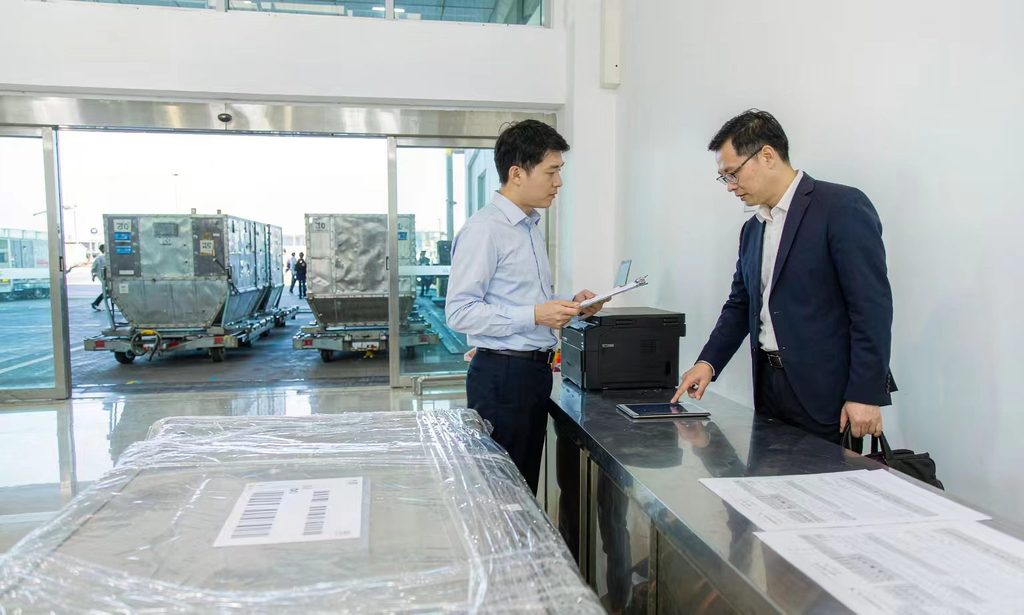
Airport handover and customs
At the destination airport, the goods move from the airline to the consignee or broker. Customs review follows the same pattern as other modes. You can file data before arrival, so the review starts early.
GCC states run their own customs at their own airports. Confirm the destination airport code, not only the city. Dubai, Doha, and Riyadh each have a separate clearance path.
شركتنا UAE guide و Qatar guide explain how delivery points work.
Document duties follow the destination market. Our UAE commercial shipment guide, covering Dubai and the other emirates, lists what a commercial import must show.
Free storage at GCC destination airports is short, often about 48 hours or less. The clock starts at landing, not when your broker opens for business.
File entry data before arrival and have the broker ready. That keeps the goods moving before storage charges begin. Confirm the exact free period with the destination terminal.
Where air stops and express starts
Express uses a courier network for small parcels. Air freight moves larger cargo on scheduled flights. The line is about shipment size and network, not just urgency.
شركتنا خدمة الشحن السريع page covers the parcel option. For the trade-off against ocean, see our air versus sea comparison.
A side-by-side view of express, air, and ocean is also on our mode comparison page.
الأسئلة الشائعة
What kind of cargo should travel by air?
Air suits high-value, urgent, or seasonal goods. Think launch stock, urgent spares, and lightweight products with strong margins. Bulky, low-value cargo rarely works, because volume weight raises the chargeable figure and the freight outweighs the benefit. Choose air for a commercial reason, not out of habit.
Is an air waybill a document of title?
No. The air waybill is a contract of carriage and a receipt, but it does not transfer ownership. The named consignee collects the goods after identity checks. This differs from a sea bill of lading, which can be transferred. That matters if you sell to more than one buyer.
What is chargeable weight?
It is the higher of actual gross weight and volumetric weight. For standard air, divide length × width × height in centimetres by 6,000, or about 167 kg per cubic metre. Express often divides by 5,000. Give accurate sizes and pack tightly.
How long is free storage at GCC destination airports?
Often about 48 hours or less, and the clock starts when the flight lands. Holidays and terminal rules can shorten it further. File customs data before arrival and have the broker ready, so the goods leave the airport before storage charges begin. Confirm the exact free period with the destination terminal.
Can I ship lithium batteries or electronics by air freight?
Yes, but the paperwork comes first. Have the UN38.3 test summary for lithium cells ready. Keep an MSDS or SDS on hand, since many carriers ask for both. Magnetic parts may need a magnetic test report. Book with a carrier that accepts these goods, and declare them accurately on the waybill.
الخلاصة
Air freight works when the cargo reason is real. Define the scope, check every waybill field, work out chargeable weight, and confirm the destination clearance path. Add pre-arrival filing and battery documents where they apply. Then air becomes a controlled tool, not an expensive habit.
المصادر والنطاق: Air waybill structure, chargeable weight, and e-AWB practice follow IATA cargo standards, checked 23 November 2026. Field names and formats vary by airline.
Free storage periods and dangerous-goods acceptance depend on the terminal and carrier. Rates and schedules change with capacity and season. Confirm details with your carrier and the destination customs authority. This article is informational only and is not legal, customs, or tax advice.